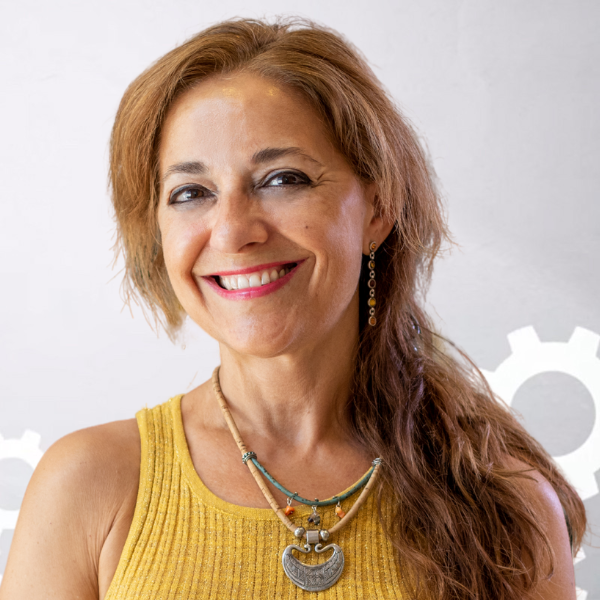
Esperanza Marcos
Rey Juan Carlos University
A professor at Rey Juan Carlos University, she led the creation and implementation of the Bachelor's Degree in Science, Management, and Engineering of Services, which she coordinated for four years. She has over 25 years of university teaching experience and 20 years of experience in online teaching. She holds certifications in: ITIL, EFQM, Versim, Personal and Executive Coaching, Team Coaching, Creative Problem Solving, Advanced Design Thinking, Storytelling for Influence, and Leading for Creativity.
Professor Marcos co-directs the High-Performance Research Group in Software Engineering and Services at Rey Juan Carlos University. She is a member of the Consolidated Teaching Innovation Group in Operations and Technology Management. She has led numerous research projects in the area of services, as well as projects with companies such as Telefónica R&D, BBVA, Boeing R&T, etc.
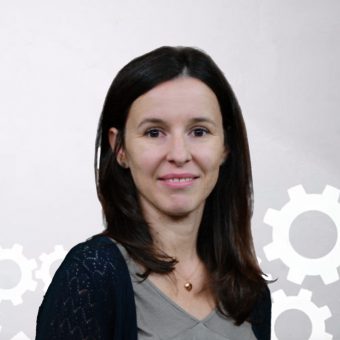
María Valeria de Castro
Rey Juan Carlos University
Lecturer at Rey Juan Carlos University. She is a pioneer in Service Engineering in Spain and co-founder of the National Network for Service Science and Engineering. She is a member of the URJC Group of Excellence in Service Science, Management and Engineering (GES2ME). Professor de Castro has over 12 years of university teaching experience and 6 years of online teaching experience.
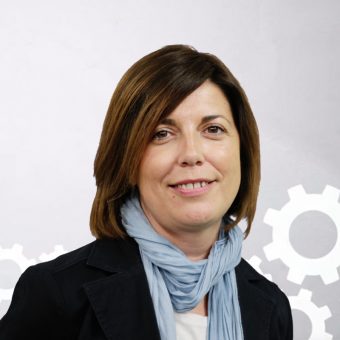
Eloísa Díaz
Rey Juan Carlos University
Lecturer at Rey Juan Carlos University. She is co-author of the only Spanish-language manual on operations management in service companies. She is a member of the URJC Group of Excellence in Service Science, Management and Engineering (GES2ME). Professor Díaz has over 17 years of university teaching experience and 5 years of online teaching experience.
Marcos López Sanz
Rey Juan Carlos University
A Visiting Professor at Rey Juan Carlos University, he has worked with leading international researchers in Service Science, Management and Engineering (SSME), including a stay at IBM's service research center in Almaden, California, USA. He is a member of the ISSIP (Institute for Service Science Innovation Professionals) and the URJC's Group of Excellence in Service Science, Management and Engineering (GES2ME). Professor López has over 10 years of experience.

Juan Manuel Vara Mesa
Rey Juan Carlos University - Higher Technical School of Computer Engineering
Professor at Rey Juan Carlos University. Computer Engineer, Master in Information Technology and Computer Systems, and PhD in Computer Engineering. ITIL, CMMI, and Scrum Master certifications. Pre-doctoral researcher at INRIA at the University of Nantes and post-doctoral researcher at ERISS (European Research Institute on Service Science) at Tilburg University.
Director of the Master's Degree in Information Systems Engineering and Coordinator of the research line in Software Engineering, Information Systems and Services of the Doctoral program in ICT of said University.
- 5 Sections
- 45 Lessons
- 15 Hours
- 1. Services: Concept and characteristics9
- 2. The Service Company6
- 3. SSME: a new discipline for supporting the services sector9
- 4. The Services Professional12
- 4.1Applying a holistic vision: systems thinking
- 4.2Ways of thinking
- 4.3Applying systems thinking
- 4.4The need for a systemic vision in services
- 4.5Systems thinking in the service professional
- 4.6Guidelines for the application of systems thinking
- 4.7STEM Professionals
- 4.8One step further
- 4.9KISA Needs
- 4.10What is a T-Shaped professional?
- 4.11The service professional: the vision of Meliá Hotels International
- 4.12Exam
- 5. Training of Service Professionals9
- 5.1Educational background
- 5.2Training alternatives
- 5.3Different types of knowledge integration
- 5.4How does it influence training?
- 5.5Learning sequence for SSME
- 5.6New teaching methods
- 5.7Example of a degree with a transdisciplinary approach
- 5.8Holistic approach: formative progress of the CGIS Degree
- 5.9Exam