Gabriel Morales Sánchez
Rey Juan Carlos University
Chemical Engineer (UCM, 2000) and PhD in Chemical Engineering (URJC, 2005). University Professor and Director of the Department of Chemical and Environmental Technology at Rey Juan Carlos University. He has nearly 25 years of experience in research and teaching in subjects related to the environment and energy. He is currently co-director of the Smart-E2 institutional chair at Rey Juan Carlos University.
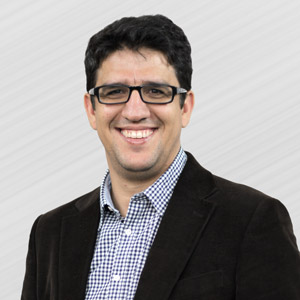
José Iglesias Morán
Rey Juan Carlos University
Chemical Engineer (UCM, 1999) and PhD in Chemical Engineering (URJC, 2005). University Professor and Director of the Department of Chemical, Energy and Mechanical Technology at URJC. He has more than 25 years of experience in research and teaching in subjects related to energy and the environment.
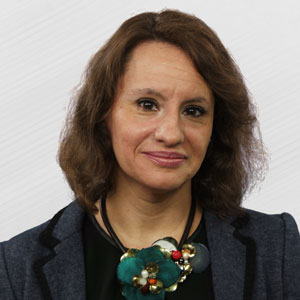
María del Mar Gómez Zamora
Rey Juan Carlos University
PhD in Agricultural Engineering from the Polytechnic University of Madrid (2011). Technical Manager of the CEI International Campus of Excellence “Smart Energy” and technician at the European Projects Office (OPE-URJC). Since 2018, expert external evaluator for the “Fast Track to Innovation” program, Research Executive Agency, European Commission.
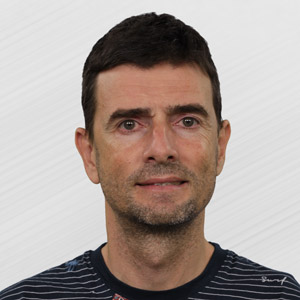
Juan José Espada Sanjurjo
Rey Juan Carlos University
Chemical Engineer (UCM, 1999) and PhD in Chemical Engineering (URJC, 2005). Professor in the Department of Chemical Engineering at URJC. He has nearly 25 years of experience in research and teaching in subjects related to the environment and energy. He is currently the Director of the Master's Program in Industrial Engineering at URJC.
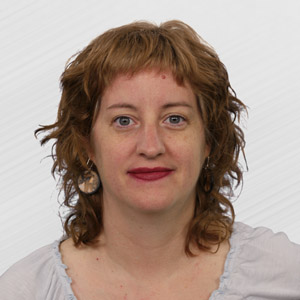
Rosalía Rodriguez Escudero
Rey Juan Carlos University
Chemical Engineer (UCM, 2001) and PhD from URJC (2006). Full Professor in the Chemical Engineering area of the Department of Chemical, Energy and Mechanical Technology at URJC. Her research and teaching have focused on topics related to energy, the environment, and sustainability. She is currently the coordinator of the Bachelor's Degree in Industrial Technology Engineering.
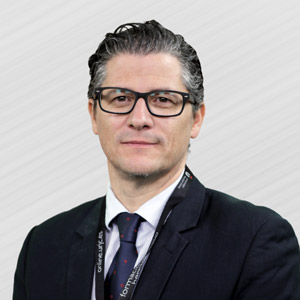
Juan Antonio Melero Hernández
Rey Juan Carlos University
PhD in Chemical Sciences (UCM, 1998). Full Professor in the Department of Chemical Engineering at URJC in Madrid. He is currently the Director of the Institute of Technologies for Sustainability (ITPS) at URJC, and leads several projects related to the chemical and energy valorization of biomass for the production of biofuels and bioproducts.

Gisela Orcajo Rincón
Rey Juan Carlos University
Chemical Engineer (UC, 2003) and PhD in Chemical Engineering (URJC, 2010). She is currently a Full Professor in the area of Chemical Engineering at URJC. Her research focuses on the development of advanced metal-organic frameworks (MOFs) for application in the adsorption of gases of environmental interest and in heterogeneous catalysis.
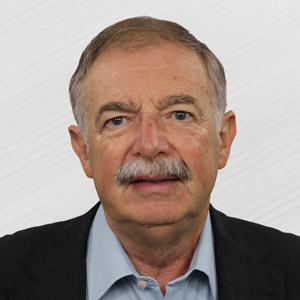
Guillermo Wolff Elósegui
Rey Juan Carlos University
Doctor of Industrial Engineering (UPM 1983). Former Full Professor of Machinery and Thermal Engines at the ETSII of the UPM. Former Automotive and Fuels Consultant for Repsol SA. Professor of the Master's Degree in Automotive Engineering at INSIA – UPM and of the Master's Degree in Industrial Engineering at Rey Juan Carlos University. President of the Technical Committee on Engines, Fuels and Lubricants of ASEPA.
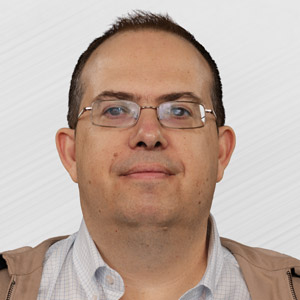
Jose Maria Escola
Rey Juan Carlos University
PhD in Chemical Sciences (UCM, 1998). Full Professor in the Department of Chemical Engineering at Rey Juan Carlos University. His research and teaching have focused on topics related to energy, the environment, and sustainability. He is currently the research line coordinator at the International Doctoral School of URJC.
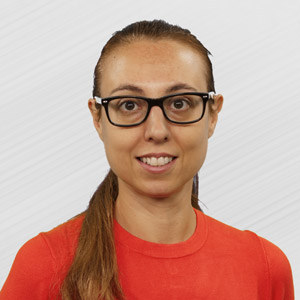
Laura Briones Gil
Rey Juan Carlos University
Full Professor in the Department of Chemical Engineering at Rey Juan Carlos University. Her scientific activity focuses on the production of fuels and chemical compounds from plastic and lignocellulosic waste and vegetable oils, and on the synthesis of new materials for thermochemical storage of solar energy.
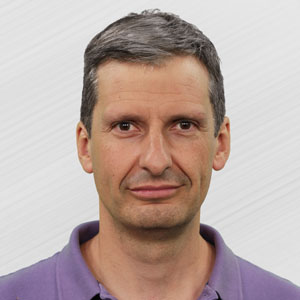
Alberto Fernández Gil
Rey Juan Carlos University
PhD in Computer Science. University Professor and member of the Artificial Intelligence Group at URJC. He has 25 years of university teaching experience in the field of Computer Engineering. One of his main research areas is intelligent transportation systems, on which he has published several articles and organized various scientific events.
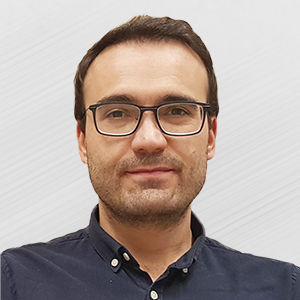
David Fernández Llorca
University of Alcalá
Professor at the University of Alcalá. He has 20 years of experience in the field of Intelligent Transportation Systems, with more than 130 publications, and received the IEEE ITS Society Young Researcher Award 2018 for researchers under 40 years of age.
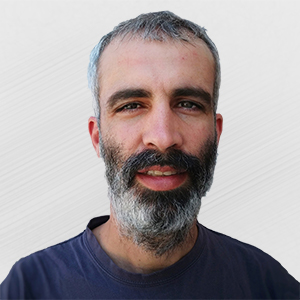
Ignacio Parra Alonso
University of Alcalá
PhD in Telecommunications. Full Professor at the University of Alcalá (UAH) and member of the INVET Research Group. He has extensive university teaching experience in the field of Automation Engineering. His main research areas are visual odometry, autonomous and intelligent vehicles, and intelligent transportation systems, on which he has published several articles.
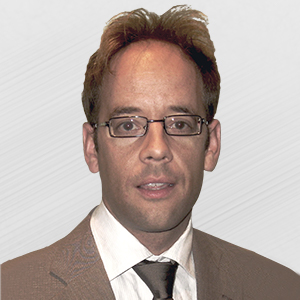
Ivan Garcia Daza
University of Alcalá
PhD in Telecommunications Engineering. Full Professor at the University of Alcalá in the Department of Systems Engineering and Automation, with experience in research projects related to Intelligent Transportation Systems. He has participated in numerous research projects, resulting in publications in journals and conference proceedings. He has also participated in scientific conferences, is an associate editor for journals, and a conference reviewer.

Noelia Hernández Parra
University of Alcalá
PhD in Telecommunications. Full Professor in the Department of Automation at the University of Alcalá (UAH) and member of the INVET Research Group. She has extensive university teaching experience in the field of Automation Engineering and programming languages. Her main research areas are Wi-Fi-based localization, autonomous and intelligent vehicles, and intelligent transportation systems, on which she has published several articles.
- 5 Sections
- 49 Lessons
- 20 Hours
- 1. Transport, energy and environment10
- 1.1Energy and transport
- 1.2Advantages of using fossil fuels as an energy source
- 1.3Disadvantages of using fossil fuels as an energy source
- 1.4Transport and pollution
- 1.5Greenhouse gas emissions associated with urban transport
- 1.6Effects of air pollution on our health
- 1.7What measures can be taken to prevent pollution from transportation?
- 1.8Some measures taken to control pollution associated with transport
- 1.9Future: Zero emissions
- 1.10Exam
- 2. Combustion engines: from oil to clean fuels10
- 2.1Internal combustion engines: from oil to clean fuels
- 2.2Homologation cycle and emissions limits
- 2.3Environmental labels for vehicles
- 2.4Biofuels and low-carbon fuels
- 2.5Environmental and economic sustainability of biofuels
- 2.6Hydrogen
- 2.7Biofuels. Interview with CIEMAT
- 2.8Advanced biofuels
- 2.9Second generation bioethanol
- 2.10Exam
- 3. New forms of propulsion: hybrid and electric vehicles10
- 3.1Operation and components of electric vehicles
- 3.2Components of an electric vehicle
- 3.3How a hydrogen fuel cell works
- 3.4Operation and components of a hybrid vehicle
- 3.5Components of a hybrid vehicle
- 3.6The future of transport. Towards a zero-emissions model
- 3.7Efficient driving in a hybrid vehicle
- 3.8Comparison between a conventional vehicle, a hybrid vehicle and an electric vehicle
- 3.9Evolution of vehicle registrations by segment
- 3.10Exam
- 4. Smart mobility: autonomous vehicles and connected fleets9
- 4.1Transport fleets
- 4.2Shared bicycle fleets
- 4.3Balancing in shared bicycle fleets
- 4.4Levels of automation in autonomous vehicles
- 4.5Advanced driver assistance systems included in the SAE automation levels
- 4.6LIDAR, the sensor for autonomous driving
- 4.73D mapping systems with LIDAR sensors
- 4.8Autonomous navigation
- 4.9Exam
- 5. The future of transport: challenges and perspectives10
- 5.1Mobility in urban spaces
- 5.2Sustainable Urban Mobility Plans – SUMPs
- 5.3Smart transport in smart cities
- 5.4Future prospects for electric vehicles
- 5.5Current overview of electric vehicles
- 5.6The future is electric
- 5.7Technological developments in autonomous transport
- 5.8Cities-Timanfaya Project
- 5.9Controversy and prospects of the autonomous vehicle
- 5.10Exam