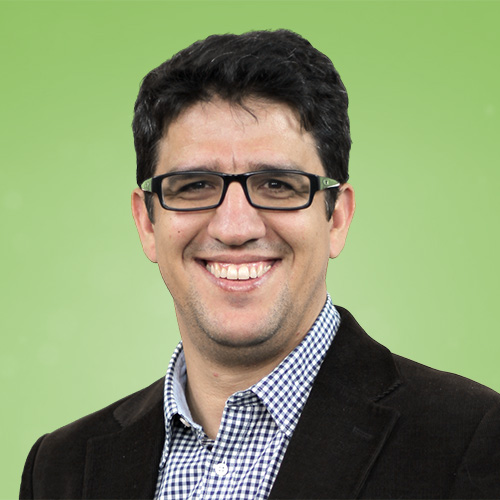
José Iglesias Morán
Rey Juan Carlos University
Chemical Engineer (UCM, 1999) and PhD in Chemical Engineering (URJC, 2005). University Professor and Director of the Department of Chemical, Energy and Mechanical Technology at URJC. He has more than 25 years of experience in research and teaching in subjects related to energy and the environment.
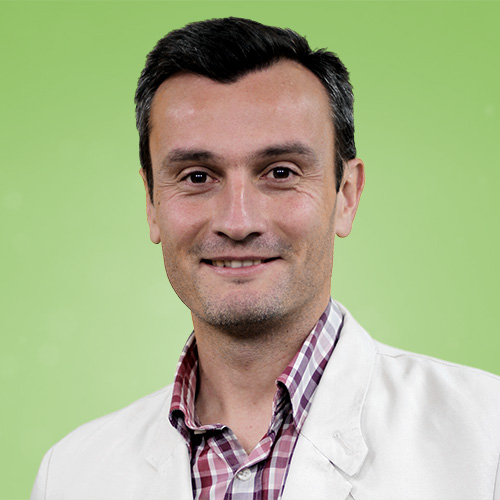
Gabriel Morales Sánchez
Rey Juan Carlos University
Chemical Engineer (UCM, 2000) and PhD in Chemical Engineering (URJC, 2005). University Professor and Director of the Department of Chemical and Environmental Technology at Rey Juan Carlos University. He has nearly 25 years of experience in research and teaching in subjects related to the environment and energy. He is currently co-director of the Smart-E2 institutional chair at Rey Juan Carlos University.
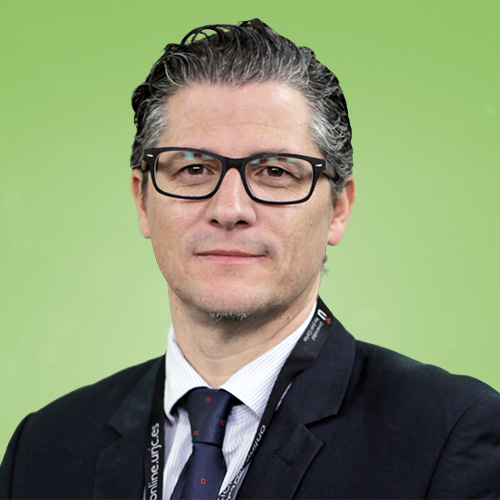
Juan Antonio Melero Hernández
Rey Juan Carlos University
PhD in Chemical Sciences (UCM, 1998). Full Professor in the Department of Chemical Engineering at URJC in Madrid. He is currently the Director of the Institute of Technologies for Sustainability (ITPS) at URJC, and leads several projects related to the chemical and energy valorization of biomass for the production of biofuels and bioproducts.
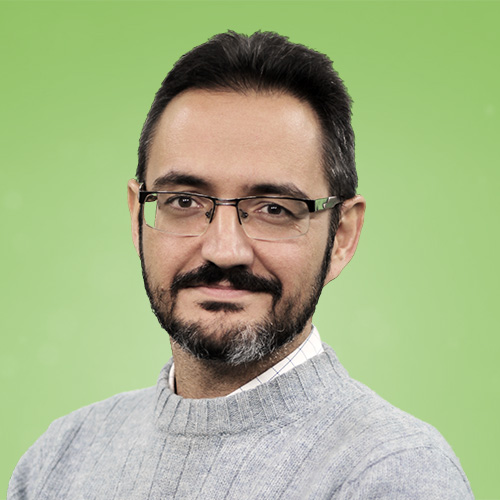
Raúl Molina Gil
Rey Juan Carlos University
He holds a degree in Chemical Engineering from the Complutense University of Madrid (2000) and a PhD from the Rey Juan Carlos University (2006). His teaching career has been based at the Rey Juan Carlos University, where he is a Full Professor in the Department of Chemical and Environmental Technology, and currently serves as the Department Secretary.
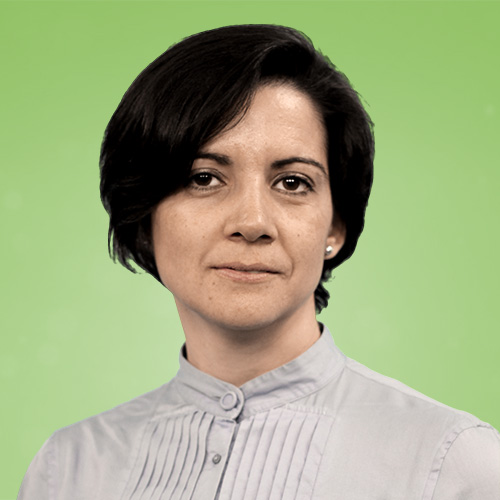
Alicia García Sánchez
Rey Juan Carlos University
Alicia García holds a degree in Chemical Engineering from Complutense University (1998) and a PhD from Rey Juan Carlos University (2005). She is currently a tenured professor at Rey Juan Carlos University, where she has taught at various undergraduate levels and participated in several research projects for over 25 years. She teaches in the 'Renewable Energies II' unit.
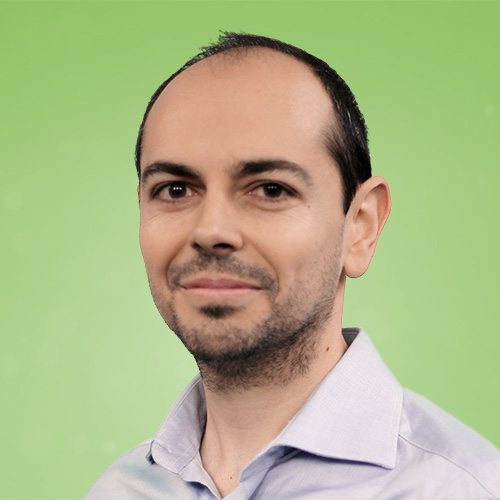
Arturo J. Vizcaíno Madridejos
Rey Juan Carlos University
He holds a degree in Chemical Engineering from the University of Castilla-La Mancha (2002) and a PhD from Rey Juan Carlos University (2007). He is currently a tenured professor at URJC, where he researches renewable hydrogen production processes. Since 2013, he has worked in the field of energy management and efficiency.
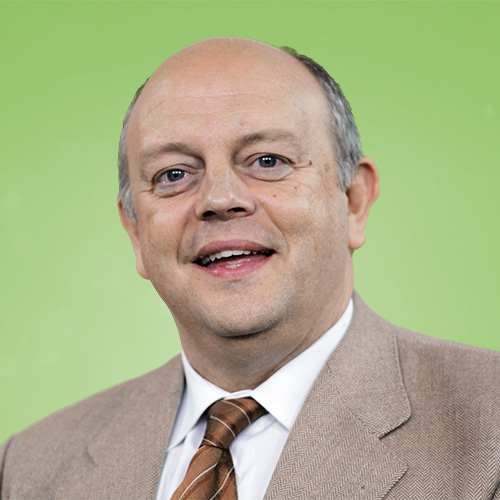
Julio Ramiro Bargueño
Rey Juan Carlos University
Doctor of Physical Sciences (UAM 1997). Professor at the University of Navarra, the Autonomous University of Madrid, the Pontifical University of Comillas (ICAI) and currently a Full Professor at the Rey Juan Carlos University in the School of Engineering of Fuenlabrada.
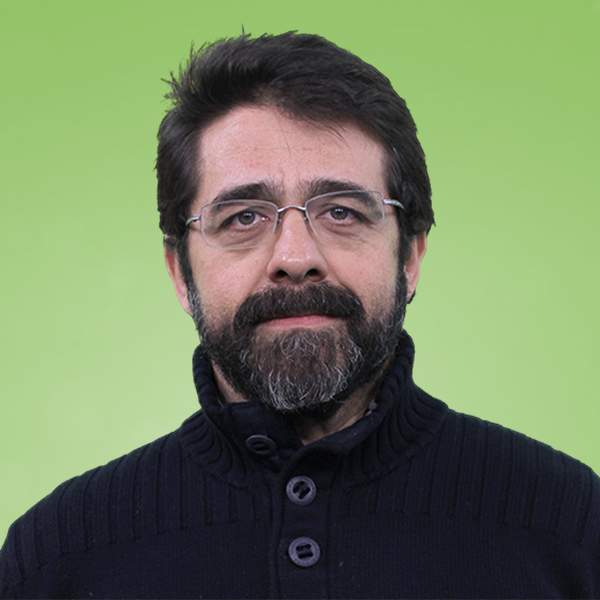
Antonio Caamaño
Rey Juan Carlos University
He holds a degree in Theoretical Physics from the Autonomous University of Madrid (UAM). He conducted research at the UAM for two years and completed his doctoral thesis in Telecommunications Engineering at the Carlos III University of Madrid. He currently teaches and conducts research at the Rey Juan Carlos University (URJC) in the field of wireless sensor networks and distributed processing.
- 5 Sections
- 53 Lessons
- 25 Hours
- 1. Energy Overview11
- 1.1Energy and Environment
- 1.2Energy and climate change
- 1.3From primary energy to final consumption
- 1.4Reserves and Exploitation of Energy Resources
- 1.5Fossil fuels: how long will this last?
- 1.6Energy in Spain
- 1.7The future of energy
- 1.8Medium-term energy outlook
- 1.9Energy challenges the world must face
- 1.10Exam
- 1.11Additional material
- 2. Renewable Energies I11
- 2.1Renewable energies, present and future
- 2.2The potential of renewable energies
- 2.3The World's Largest Producers of Renewable Energy
- 2.4Squeezing the sun
- 2.5How does a photovoltaic solar installation work?
- 2.6The world's largest solar power plants
- 2.7Wind and its energy possibilities
- 2.8Parts of a wind turbine
- 2.9Urban mini-wind turbines, integrating renewable energies into your city
- 2.10Exam
- 2.11Additional material
- 3. Renewable Energies II11
- 3.1The earth as a source of energy
- 3.2How much energy can the earth provide us?
- 3.3Geothermal energy
- 3.4Does moving water generate energy?
- 3.5Main components of a hydroelectric power plant
- 3.6Energy from the oceans
- 3.7What is biomass?
- 3.8Heat and electricity from solid biomass
- 3.9Biofuels
- 3.10Exam
- 3.11Additional material
- 4. Energy saving and efficiency10
- 4.1How does efficiency influence energy consumption?
- 4.2Evolution of energy efficiency – technological development
- 4.3Energy label for equipment and buildings
- 4.4Good practices for energy saving in homes
- 4.5Factors that influence a building's energy consumption
- 4.6The energy bill
- 4.7The building as a living being: the need for monitoring
- 4.8Estimating energy efficiency in buildings
- 4.9Exam
- 4.10Additional material
- 5. Smart cities10
- 5.1Smart Cities: A solution to the energy problem of the cities of the future?
- 5.2What is a Smart City?
- 5.3Smart cities: interconnected, instrumented, intelligent
- 5.4Interview with Leopoldo Andrés
- 5.5What is a SmartGrid and how does it work?
- 5.6Interview with Rosario Heras Celemín
- 5.7Smart transport, another branch of Smart Cities
- 5.8Smart buildings? In smart cities
- 5.9Exam
- 5.10Additional material